Why Quiet Art Matters in a Noisy World
The World Is Loud — Our Homes Don’t Have to Be
We live in an age of constant input. Notifications, screens, headlines, schedules, and noise follow us from the moment we wake up to the moment we fall asleep. Even in our own homes, true quiet can feel increasingly rare.
Art has the power to change that.
Not by adding more stimulation, but by creating a pause — a place for the eye and mind to rest. Quiet art doesn’t demand attention. It invites it.

What is quiet art?
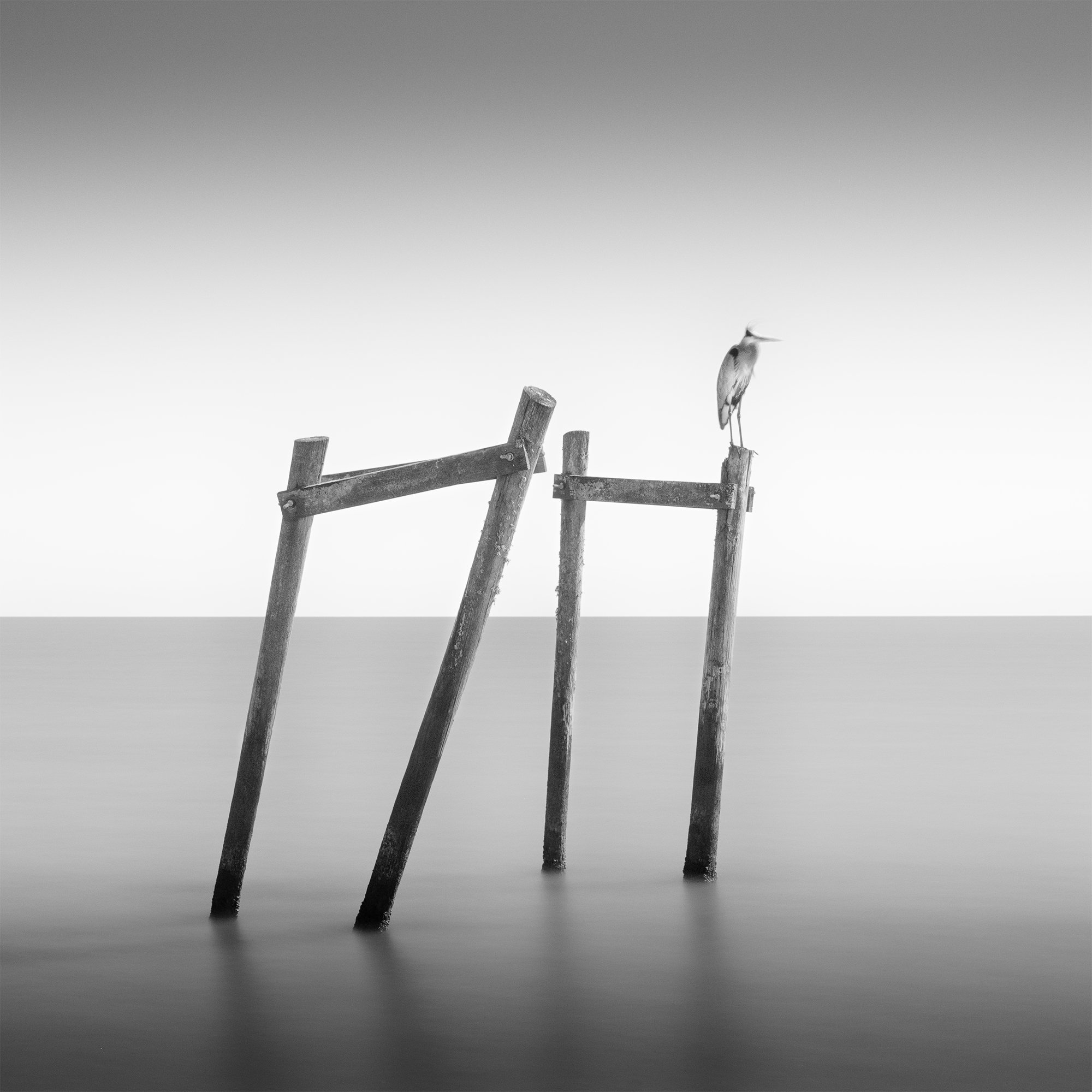
Quiet art is not about being minimal for the sake of style. It is about emotional restraint, intentional composition, and atmosphere.
In photography, quiet art often uses:
Subtle tonal transitions rather than high contrast
Stillness instead of spectacle
Space, repetition, and simplicity
Light that feels calm rather than dramatic
These qualities slow the viewer down. They allow the work to live with you rather than compete with you.
Why Quiet Art Feels So Powerful
Quiet art works on a psychological level.
When a piece doesn’t overwhelm the senses, the nervous system relaxes. The viewer isn’t being asked to decode, react, or scroll past. Instead, the work becomes a grounding presence — something you return to throughout the day.
Collectors often tell me they experience quiet photographs in small, repeated moments:
While making morning coffee
During a pause between meetings
In the evening, when the house finally settles
Over time, the artwork becomes part of the rhythm of their life.
The Role of Landscape in Stillness
Landscapes have always offered a sense of perspective. But when photographed slowly and intentionally, they do something more — they suspend time.
Long-exposure photography allows movement to soften:
Water becomes smooth and reflective
Clouds stretch into gentle forms
Edges blur just enough to feel timeless
The result is not a literal representation of a place, but an emotional memory of it.
These photographs are not about where you are — they’re about how it feels to be there.
How Quiet Art Changes a Space
Art doesn’t just decorate a room. It sets the emotional tone.
Quiet artwork:
Lowers visual noise
Creates balance in modern interiors
Softens hard architectural lines
Encourages slower movement through a space
In homes, quiet photographs often become anchors — pieces that calm the room and bring cohesion to everything around them.
In offices and studios, they provide a counterweight to stress and constant decision-making.
Choosing Art for How You Want to Feel
When selecting artwork, a helpful question is not “What matches my wall?” but:
“How do I want this space to feel?”
Collectors who are drawn to quiet art often value:
Calm
Focus
Emotional clarity
A sense of breathing room
The right piece doesn’t announce itself. It waits.


My Approach to Creating Quiet Photographs
My work is rooted in patience and restraint.
I often spend long periods in one location, waiting for light, weather, and atmosphere to align. Many of the photographs are made in moments of solitude — early mornings, empty landscapes, and transitional light.
I’m less interested in dramatic moments than I am in presence.
Each photograph is created to feel at home in your space — not as decoration, but as a lived-with object.
Living With Quiet Art
Quiet art reveals itself slowly.
What you notice today may not be what you notice a year from now. The work grows with you, reflecting different moods, seasons, and moments of life.
In a world that asks for constant attention, quiet art gives something back.
It offers stillness.
Explore the Work
If you’re drawn to art that brings calm, balance, and emotional presence into a space, you may find something that resonates with you here:
Or, if you’d like early access to new releases and quiet studio updates:


